
Why Good Planning Rules Matter More Than You Think in Home Extensions
Most people only start thinking about rules and permissions once they feel stuck. The idea of extending their home feels exciting at first, full of possibilities and fresh space, until paperwork enters the picture. Suddenly there are forms, drawings, local guidelines, and technical checks. It can feel like the fun gets drained out of the process. But here is the truth most homeowners only realize later. Planning is not a barrier to good design. It is what protects it. When done properly, it creates confidence, clarity, and far fewer surprises down the line.
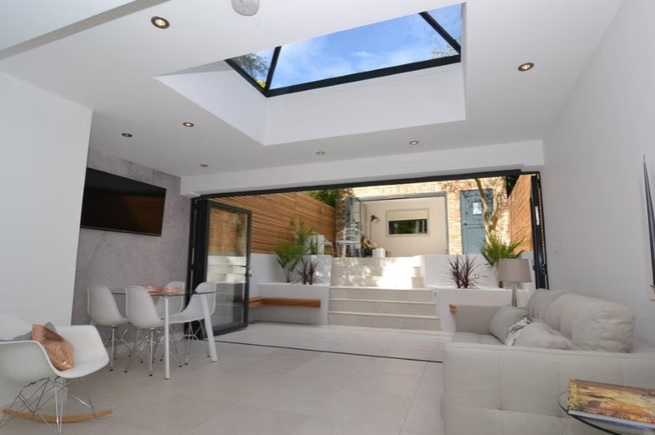
Home extensions work best when they feel calm from start to finish. That calm usually comes from understanding what is allowed, what is realistic, and how decisions made early affect everything later. Rushing past this stage often leads to stress during construction, unexpected costs, or changes that could have been avoided. Thoughtful planning does not slow a project down. It keeps it on track.
Rules Are Not There to Stop You
It is easy to see planning rules as something negative, but they exist for a reason. They protect light, privacy, safety, and the overall character of neighborhoods. When you understand them, you can design within them instead of fighting against them.
A good Residential Design Studio usually treats regulations as part of the creative process, not an afterthought. Knowing the limits early allows better decisions about layout, height, and placement. When design responds to rules rather than ignoring them, the result often feels more balanced and considered.
Permission Shapes the Design Early On
One common mistake homeowners make is designing first and checking permission later. That often leads to disappointment when plans need to be scaled back or reworked. Starting with permission in mind keeps expectations realistic from day one.
This is where Planning Permission & Building Regulations Specialists quietly make a difference. They understand how local guidelines interact with technical requirements and can spot potential issues early. That insight saves time, money, and frustration by steering the design in a direction that is more likely to be approved the first time.
Building Regulations Are About Comfort Too
Building regulations are often misunderstood. Many people think they are only about safety, but they also affect comfort, efficiency, and long term performance. Insulation, ventilation, structure, and access all play a role in how a space feels once it is lived in.
An Architectural Technologist often helps translate these requirements into practical solutions. They look at how materials and construction methods affect warmth, sound, and durability. When these details are handled properly, the extension feels solid and comfortable, not just compliant on paper.
Planning Reduces Stress During the Build
Most stress during construction comes from uncertainty. Questions that were never answered early suddenly become urgent. Can this wall move. Is this opening allowed. Does this change affect approval. Clear planning reduces these moments.
A Planning & Technical Design Studio usually provides detailed drawings and documentation that builders rely on. That clarity keeps everyone aligned and minimizes last minute decisions. When the plan is clear, the build tends to move with fewer interruptions and less tension.
Good Communication Makes Rules Easier
Regulations sound complicated, but good communication makes them manageable. When rules are explained in simple terms, homeowners feel more involved and less overwhelmed. They understand why certain choices are made and how those choices affect the bigger picture.
Studios like studio-mass often focus on keeping this communication clear and human. Instead of burying people in technical language, they explain what matters and why. That approach builds trust and helps clients feel confident rather than confused.
Planning Is Not Separate From Design
Some people see planning as a box to tick before real design begins. In reality, the two are closely linked. Decisions about windows, ceiling height, and layout all interact with regulations. Treating planning as part of the design process leads to stronger outcomes.
An Architectural Designer considers how form, proportion, and flow work within allowed parameters. This approach avoids wasted effort and leads to designs that feel resolved rather than compromised. When planning and design move together, the result feels intentional.
Patience Pays Off
Planning takes time, and that can feel frustrating when you are eager to move forward. But patience here often leads to smoother progress later. Approval gained with care tends to stand firm, while rushed applications often lead to delays or revisions.
Giving this stage the respect it deserves is an investment in the rest of the project. It sets the tone, defines the boundaries, and gives everyone a shared understanding of what is possible.
A Strong Foundation for Change
Home extensions are about adapting to life as it evolves. Families grow, routines change, and homes need to keep up. Planning ensures those changes are made responsibly and thoughtfully, not just quickly.
If you are considering an extension, try not to see planning as a hurdle. See it as a framework that supports good decisions. When permissions and regulations are handled with care, the rest of the journey feels more grounded. A well planned extension does not just add space. It adds confidence, comfort, and a sense that your home is growing in the right direction.



Leave a Reply