
Why Accessible Travel Is Everyone’s Responsibility
Every city likes to call itself inclusive. Walk through the right neighborhoods and you will see all the right signage, all the right language, all the right visual branding. But inclusion is not a slogan. It shows up in the small practical details. Like whether someone who uses a wheelchair can actually get a ride without calling six places first.
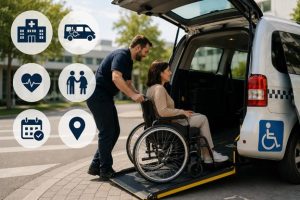
Accessible travel is one of those topics that people outside the disability community rarely think about until they need it themselves. A broken leg. An elderly parent. A child with mobility needs. Suddenly the gaps in the system become very real very fast.
The Gap Between Policy and Reality
Most cities have policies that say accessible transport matters. But policies do not drive people to appointments. Vehicles do. And in a lot of places, the available options just are not there in any reliable way.
For people in Perth who need reliable transport that actually fits their needs, finding wheelchair accessible taxi Perth options that are prompt, professional, and genuinely equipped makes an enormous difference. Not just in convenience. In dignity. There is something deeply unfair about a world where your ability to get from point A to point B depends on your physical ability in ways that have nothing to do with your actual destination.
Medical Appointments Cannot Be Optional
Here is a reality that does not get talked about enough. Missing a medical appointment is not the same as missing a movie. When someone cannot get reliable transport to a specialist, to a treatment center, or to a follow up visit, the consequences are real and serious.
Reliable hospital transport is not a luxury. For a huge portion of the population, including the elderly, people recovering from surgery, and those with ongoing health conditions, it is as essential as the healthcare itself. A system that funds the appointment but not the ride to it has a pretty significant gap in its logic.
What Better Looks Like
Better accessible travel means more than having one or two adapted vehicles somewhere in a fleet. It means those vehicles being available at reasonable hours. It means drivers who are trained and genuinely comfortable working with passengers who have different needs. It means booking systems that do not require a phone call during business hours when you work full time.
It also means cities taking a harder look at whether the transport options they fund and promote actually serve everyone. Not just the young, the able bodied, and the people who do not need very much help.
Small Awareness Goes a Long Way
You do not have to be a policy maker to push things forward. When you talk about accessible transport options with friends, when you share resources in community groups, when you choose to care about this even when it does not affect you directly, that builds the kind of cultural pressure that actually changes things. Inclusion has to be practiced, not just posted about.



Leave a Reply