
Security Deposit Law Chicago: What Every Renter Should Know Before Moving Out
Moving into a rental home comes with a lot of excitement. You picture how you will arrange your furniture, settle into the neighborhood, and make the place feel like home. But when it is time to move out, one thing often causes stress for tenants more than anything else. That is the security deposit.
Many renters count on getting that money back. It may help cover moving expenses, utility deposits, or the first month of rent at a new place. Unfortunately, confusion about security deposits is common. That is why understanding security deposit law in Chicago can make a huge difference. Knowing your rights and responsibilities before the end of your lease can help you avoid misunderstandings and protect your hard earned money.
Why Security Deposits Matter So Much
For many people, a security deposit is not a small amount of money. It often represents weeks or even months of savings. Because of that, emotions can run high when questions arise about deductions or refunds.
The purpose of a security deposit is to protect a landlord from significant damage beyond normal wear and tear. It is not meant to cover routine aging of a property or everyday use. Carpets become worn over time. Paint fades. Minor marks appear on walls. These things are part of normal living.
Problems usually happen when tenants and landlords have different expectations about what should be considered damage. This is why understanding the law and keeping good records throughout your tenancy is so important.
The Importance of Documentation
One of the smartest things you can do as a renter is document the condition of the property from the very beginning. Many people skip this step because they are excited to move in. Later, they regret it.
Take photographs of every room when you move in. Make notes about existing scratches, stains, dents, or other issues. Keep copies of emails, text messages, and maintenance requests. These records can become extremely valuable if questions come up after you move out.
Small Details Can Make a Big Difference
A simple photo taken on move in day can save you from a difficult dispute months later. Many tenants discover that documentation becomes their strongest protection when disagreements arise regarding property conditions.
Having organized records also shows that you took your responsibilities seriously throughout the lease period.
Understanding Normal Wear and Tear
One area that creates confusion is the difference between damage and normal wear and tear. Many renters assume every deduction is unfair, while some landlords may view certain issues differently.
Normal wear and tear generally refers to the natural decline that happens when a property is lived in. Faded paint, worn flooring, or loose door handles may occur simply because people use the space every day.
Actual damage is usually something more significant. Large holes in walls, broken fixtures, missing appliances, or severe stains may fall into that category. Understanding this distinction can help you better evaluate any deductions that may occur.
Communication Helps Prevent Problems
Many disputes can be avoided through clear communication. If something is damaged during your tenancy, reporting it quickly may help prevent a larger issue later. Open conversations often create better outcomes for everyone involved.
What Happens During the Move Out Process
Moving out is often a busy and emotional time. Between packing boxes, changing addresses, and coordinating movers, it is easy to overlook important details.
Before leaving, clean the property thoroughly and remove all personal belongings. If possible, perform a final walkthrough and take updated photographs. These images provide evidence of the property’s condition when you left.
Many renters also choose to keep copies of receipts for professional cleaning or repairs they completed before moving out. While not always necessary, these records can strengthen your position if questions arise.
When Lease Changes Affect Deposits
Life does not always go according to plan. Job opportunities appear unexpectedly. Family situations change. Sometimes tenants need to leave a rental property before the lease term officially ends.
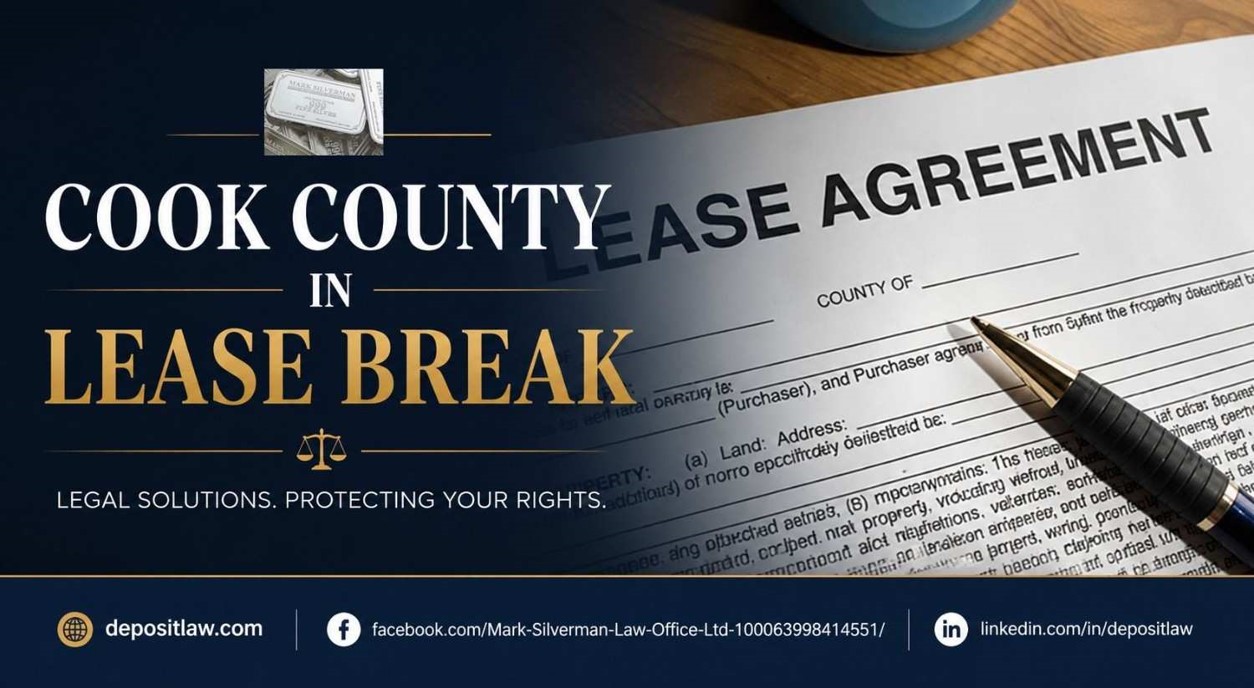
In situations involving a lease break in Cook county, questions about security deposits often become even more important. Both tenants and landlords may need to review lease terms carefully to understand how early termination could affect financial responsibilities and deposit handling.
Because every situation is unique, understanding your lease agreement before making decisions can help avoid unnecessary complications.
Protecting Yourself Throughout the Tenancy
The best time to think about your security deposit is not when you are moving out. It is actually when you move in.
Keeping records, reporting maintenance issues promptly, following lease terms, and maintaining the property responsibly all contribute to a smoother experience. These habits may seem small in the moment, but they often become very important later.
Tenants who stay organized throughout their lease generally feel more confident and less stressed when it is time to leave.
Final Thoughts
Security deposit law in Chicago exists to create fairness and transparency between landlords and tenants. While most rental experiences end without major issues, understanding how deposits work can provide valuable peace of mind.
When you know your rights, keep good records, and communicate clearly, you place yourself in a much stronger position. Renting a home should feel secure from the day you move in until the day you hand over the keys. A little preparation today can help make that entire journey much smoother tomorrow.


Leave a Reply