
What Should Never Go Down Your Kitchen Garburator? A Homeowner’s Guide
You know that satisfying little hum when you flip the switch and your garburator chews through whatever you just tossed in there? It feels kind of powerful, like you can throw anything down there and it will just handle it. Except that is not true at all, and a lot of homeowners learn this the hard way after their garburator suddenly seizes up or starts making a sound like it is grinding rocks. Turns out these things are a lot more particular than we give them credit for.
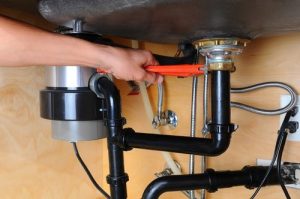
Garburators Are Not As Tough As They Seem
It is easy to assume a garburator is basically indestructible since it has spinning blades and sounds aggressive when it runs. But the truth is it is designed for soft food scraps, not a free for all disposal system for anything that fits down the drain. The motor and blades can only handle so much, and pushing the wrong stuff through it over and over wears it down way faster than it should.
Fibrous Foods Are Sneakier Than You Think
Things like celery, corn husks, onion skins, and asparagus seem harmless enough, but they are actually some of the worst offenders. The fibrous strands tangle around the blades instead of breaking apart cleanly, which can jam the motor or wrap around the mechanism until it stops working properly. If you have ever had your garburator suddenly go quiet mid grind, there is a good chance some stringy veggie scrap is the culprit.
Grease and Oil Do Not Belong There Either
This one trips people up constantly. Pouring grease or oil down the garburator feels fine in the moment because it is liquid and slips right through. But once it cools off inside the pipes, it solidifies and creates a sticky coating that catches everything else that passes by afterward. Over time this turns into a stubborn clog that has nothing to do with the garburator itself but everything to do with what got sent through it.
Bones and Shells Are a Hard No
Chicken bones, fish bones, eggshells, shrimp shells, these all feel like they should be fine since they are small, but they are way too hard for the blades to actually process. Instead of breaking down, they often just bounce around inside the chamber, dulling the blades and putting extra strain on the motor. Eggshells specifically get a lot of myths attached to them, with people claiming they sharpen the blades, but really they just create gritty bits that can clog pipes further down the line.
Starchy Foods Expand And Cause Trouble
Pasta, rice, and potato peels seem totally normal to toss down there, but these foods absorb water and expand even after they leave your plate. Once they are inside the pipes, they keep swelling and can create a thick paste that clogs things up surprisingly fast. A small handful of rice does not seem like a big deal until it is sitting in your pipes doubling in size.
Coffee Grounds Are Not As Innocent As People Think
A lot of people believe coffee grounds help clean the garburator or keep odors away, but that is mostly a myth. In reality, the grounds are so fine that they tend to clump together and settle in the pipes rather than breaking down and washing away. Over time this builds up into a sludgy residue that contributes to slow drains.
What To Do If Something Goes Wrong Anyway
Even with the best habits, garburators sometimes jam up or stop working the way they should, especially as they age. If yours starts smelling off, making grinding noises without actually grinding anything, or just refuses to turn on, it is usually a sign it needs a closer look instead of more troubleshooting attempts on your own. This is where professional plumbers come in handy, since they can diagnose whether it is a simple reset issue or something deeper going on with the motor or blades.
When Replacement Makes More Sense Than Repair
Sometimes a garburator has just reached the end of its life, especially if it is leaking from the bottom or constantly jamming no matter what you feed it. Rust around the unit is usually the biggest giveaway that repair is not really an option anymore. At that point it makes more sense to look into garburator installation and repair rather than continuing to patch up something that is going to keep causing problems anyway.
Wrapping This Up
Garburators make kitchen cleanup so much easier, but only if you treat them right. A few small changes in what you toss down there can add years onto its life and save you from dealing with weird smells, jams, or full on breakdowns. Next time you are about to scrape a plate into the sink, take half a second to think about whether it actually belongs in there. Your garburator, and your future self, will thank you for the extra thought.


Leave a Reply