
Living Well Even When Pain Has Been Around for a While
Living with ongoing pain can be frustrating in ways that other people do not always understand. It is more than just physical discomfort. It can affect your mood, energy, sleep, and even your confidence to enjoy everyday activities. Many people start adjusting their lives without realizing it, avoiding long walks, skipping favorite hobbies, or saying no to social plans because they are worried about how they will feel later. While living with long lasting pain can be challenging, small daily habits and the right support can help you regain comfort and improve your quality of life over time.
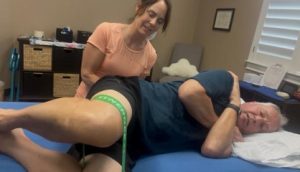
Do Not Ignore What Your Body Is Telling You
Pain that continues for weeks or months should not simply become part of your routine. Your body often sends signals for a reason, and paying attention to those signals is the first step toward understanding what is happening. Instead of pushing through discomfort every day, notice when the pain appears, what activities make it better or worse, and how it affects your normal routine. Keeping track of these patterns can help you make informed decisions and take positive steps toward feeling better.
Small Daily Habits Can Make a Big Difference
Improving the way your body feels does not always require dramatic changes. Gentle stretching, regular walks, staying hydrated, maintaining good posture, and getting enough sleep all help support healthy muscles and joints. Even taking short movement breaks during the workday can reduce stiffness and improve flexibility. These habits may seem simple, but they create a strong foundation for better movement and often help reduce the strain that builds up over time.
Finding the Right Support Matters
Sometimes healthy habits alone are not enough to manage ongoing discomfort. When pain continues to interfere with daily life, exploring chronic pain treatment in Katy may provide a more personalized approach to understanding the cause and improving mobility. A plan that focuses on your individual needs, lifestyle, and goals can help you move with greater confidence while supporting long term comfort instead of simply masking symptoms.
Recovery Is Part of the Process
Many people think they need to keep pushing through pain in order to stay productive, but recovery plays an important role in feeling better. Quality sleep, balanced nutrition, stress management, and allowing your body time to recover all contribute to healthy movement. Relaxing with a good book, spending time outdoors, practicing gentle breathing, or simply slowing down for a few minutes each day can help reduce physical tension and support your overall wellbeing.
Conclusion
Living with ongoing pain does not mean giving up the activities you enjoy. By listening to your body, building healthy daily habits, allowing yourself time to recover, and seeking the right guidance when needed, you can take meaningful steps toward greater comfort and improved mobility. Progress may happen gradually, but every positive choice you make today helps create a healthier and more active tomorrow.


Leave a Reply