
Culvert Repair: The Small Fix That Can Save You From a Big Water Problem
Most people do not think about culverts until something goes wrong. They sit quietly beneath driveways, roads and paths, moving water from one side to another. When everything is working properly, you barely notice them. But once a culvert becomes blocked, cracked or damaged, water can quickly become a problem. Puddles appear. Soil starts washing away. A driveway may even become unstable. Suddenly, that hidden pipe matters a lot.
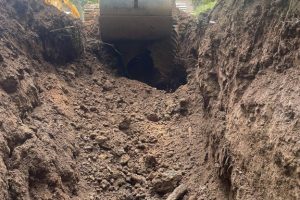
What Does a Culvert Actually Do?
A culvert gives water a safe route beneath an area that needs to be crossed. Rainwater and runoff can move through the pipe instead of cutting across a driveway or road. It sounds simple, and in many ways it is. But the surrounding soil, slope and water volume all matter. A culvert that is too small, poorly positioned or badly damaged may struggle when heavy rain arrives.
Why Culverts Can Develop Problems
Culverts deal with a lot over the years. Water pressure, shifting soil, tree roots, debris and repeated freeze and thaw cycles can all take a toll. Leaves and branches can collect around the entrance and restrict water flow. Sediment can build up inside. In some cases, the pipe itself can crack or collapse. These issues may develop slowly, so you might not notice anything until the next major storm.
Watch for the Warning Signs
You do not need special equipment to notice some common culvert problems. Take a look after heavy rainfall. Is water sitting near the culvert entrance? Is the ground around it becoming muddy or washed out? Do you see exposed sections of pipe or cracks in the surrounding soil? Water that suddenly changes direction can also be a clue. These signs are worth taking seriously because drainage problems rarely improve by themselves.
Why Prompt Repair Matters
When a culvert is damaged, waiting can sometimes make the situation worse. Water may begin flowing around the pipe instead of through it. That can wash away soil and create deep channels around the road or driveway. Over time, the ground may become unstable. Proper culvert repair can help restore the intended water path and protect the surrounding area from additional erosion. The sooner the cause is understood, the easier it may be to manage.
Good Grading and Good Drainage Go Together
A culvert does not work alone. The land around it plays a major role in directing water toward the right entrance and away from areas that need to stay dry. Poor grading can send runoff toward a house, driveway or low area instead. This is why drainage and grading should be considered together when dealing with persistent water problems.
Residential grading contractors may look at the slope of the property, soil conditions and natural water flow when helping address drainage concerns. The goal is not simply to move dirt around. It is to create a sensible grade that allows water to move where it should without creating another problem somewhere else.
Keep the Culvert Entrance Clear
Sometimes the simplest maintenance can make a difference. Check the area around the culvert entrance from time to time, especially after storms. Remove loose branches and debris when it is safe to do so. Keep an eye out for sediment buildup or vegetation that is blocking the opening. A clear entrance gives water a better chance of entering the culvert instead of spilling around it.
Heavy Rain Can Reveal Hidden Issues
A dry day does not always tell the whole story. Heavy rain can expose drainage problems that are difficult to notice during normal weather. If water suddenly rushes around a culvert instead of passing through it, something may be restricting the flow. If the ground becomes deeply eroded, the issue may go beyond simple debris. Storms can be a useful reminder to check how well your drainage system is actually performing.
Think About the Whole Property
A culvert problem is often connected to something else. Maybe the land is sloped incorrectly. Perhaps runoff is coming from a larger area than expected. There could also be another blocked drainage route nearby. Looking only at the pipe may miss the bigger picture. Understanding where the water comes from and where it needs to go can lead to a much better solution.
Protect Your Property Before Water Takes Over
Good drainage is easy to overlook because you notice it most when it stops working. A properly functioning culvert helps protect roads, driveways, soil and surrounding property from unnecessary water damage. Paying attention to warning signs and dealing with problems early can save plenty of frustration later.
You do not need to wait for a major washout to take drainage seriously. A little observation after heavy rain, some basic maintenance and timely attention to damaged areas can go a long way. Sometimes, the smallest part of a property is doing one of the biggest jobs.



Leave a Reply