
How to Modernise an Old Home Without Losing Its Original Charm
There is a reason old houses continue to capture our attention. Maybe it is the stone walls, the original wooden beams, or the little details that you rarely see in modern homes. These features give a property its own personality, and for many homeowners, that is exactly what makes it worth keeping. But living in an older house can also bring a few challenges. Rooms might feel dark, the layout may not suit modern family life, and repairs can sometimes reveal unexpected problems. The good news is that you do not have to choose between preserving history and creating a comfortable home. With a little planning and some creative thinking, you can make an older property work beautifully for everyday life.
Understand What Makes Your Home Special
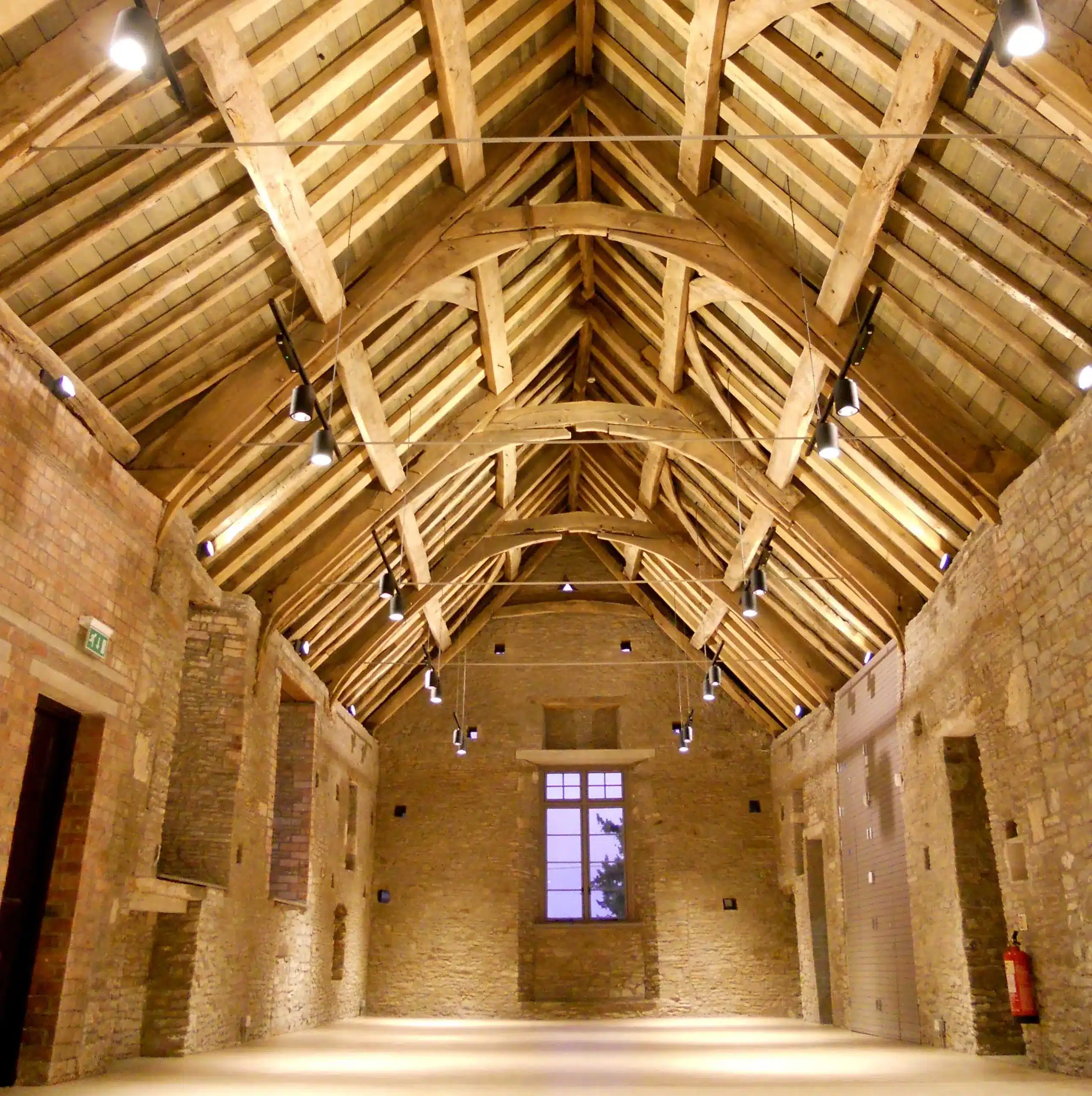
Before starting any renovation, take a good look at the features that give your property its character. Original fireplaces, timber floors, traditional windows, stonework, and decorative ceilings may have more value than you first realise. Some features might need repair rather than replacement, while others could reveal clues about the building’s history. A detailed inspection can help you understand the property’s condition and identify areas that need attention. It also helps you avoid making quick decisions that could remove something special. Taking photographs and keeping notes about original details is a simple way to document what you have before the work begins.
Find the Right Balance Between Old and New
One of the biggest challenges with an older property is introducing modern features without making the original building feel out of place. You might want a larger kitchen, a brighter living area, or an extension that gives your family more room to grow. These improvements can work well when they respond to the building’s scale, materials, and existing layout. A historic home architect can help explore design options that respect the original structure while making the property more practical for modern living. The aim is not to make every new feature look old. Instead, thoughtful design can allow traditional details and contemporary additions to complement each other naturally.
Do Not Ignore Small Repairs
It is easy to focus on exciting improvements like a new kitchen or an attractive extension, but basic maintenance deserves attention first. Check the roof, gutters, windows, external walls, and drainage before planning cosmetic changes. Small leaks, damaged mortar, or poor ventilation can lead to larger problems if nobody deals with them early. Older buildings may also need traditional materials and repair methods that suit their original construction. For example, the wrong type of plaster or mortar can sometimes trap moisture instead of allowing walls to breathe. Getting the building’s condition right creates a stronger starting point for everything else you want to do.
Make Space for Natural Light
Older homes sometimes have smaller windows, enclosed rooms, or layouts that limit the amount of daylight reaching the centre of the house. You may not need a major extension to make things feel brighter. Glass doors, carefully positioned mirrors, lighter wall colours, and a more open connection between suitable rooms can make a noticeable difference. Where structural changes are possible, a well planned rooflight or extension may bring daylight into areas that previously felt gloomy. However, historic windows and other significant features deserve careful consideration before anyone changes them. A good design should improve the way light moves through the home without sacrificing details that give it character.
Check Permissions Before Making Changes
If your property is listed or sits within a conservation area, some alterations may require planning permission or listed building consent. The rules depend on the building, its location, and the type of work you want to carry out. Even changes that seem minor can affect important historic features, so it is worth checking the requirements before ordering materials or hiring contractors. Early conversations with the local planning authority can help clarify what is possible. Preparing drawings, photographs, and information about the existing structure can also make it easier to explain your plans and show how the proposed work will protect the property’s character.
Plan Your Budget With Some Breathing Room
Renovating an old house can come with surprises, especially when builders uncover hidden damage or previous repairs that do not meet current needs. Try to get a clear understanding of the property’s condition before setting your final budget. Ask for detailed estimates, separate essential repairs from optional upgrades, and keep some money aside for unexpected work. It can also help to divide the project into stages if you cannot complete everything at once. Fixing structural problems and preventing water damage should usually take priority over decorative improvements. A realistic budget gives you more control and helps you make decisions without feeling pressured at every stage.
Give Your Home a Future, Not Just a Makeover
The best renovations do more than make an old house look attractive. They help the building remain useful, comfortable, and well cared for over the long term. Better insulation, sensible heating improvements, practical storage, and flexible living spaces can all make a difference when the design suits the original structure. You do not need to change everything at once, either. Sometimes the most successful result comes from repairing what already works, improving what does not, and leaving the best original features alone. An older home has already lived through years of change, and with a thoughtful approach, it can continue to offer comfort and character for another generation.
Leave a Reply