
4 Simple Skills That Make Everyday Life Easier and Less Stressful
Some days feel like moving through mud. One minute, the world seems manageable; next, everything piles up at once. Things get messy fast, small stuff ignored, clutter everywhere, and suddenly stress is everywhere. It’s not about big changes, not fancy fixes, just little things, tiny skills, repeated enough, and life starts to feel lighter, easier to breathe in, less like chaos. Even noticing how the small stuff matters, like how a corner feels or how the floor looks, can make a surprising difference in mood.

Easy-to-Learn Skills That Help Navigate Daily Life Without Constant Stress
Getting a Bit of Order
Stuff everywhere, clothes on chairs, papers on tables, cords tangled, vents blocked, it all sits and weighs. Clearing a corner, folding clothes, putting things where they belong, even for a few minutes, somehow makes the space feel like it breathes again. And it’s not just physical stuff—mental clutter comes from seeing the mess too, and that sneaks into everything else.
-
Fold or put away clothes as soon as possible
-
Keep surfaces clear, even just one table or desk
-
Papers sorted in simple folders, nothing fancy, just useable
-
Small corners wiped down or tidied, even a shelf, make a difference
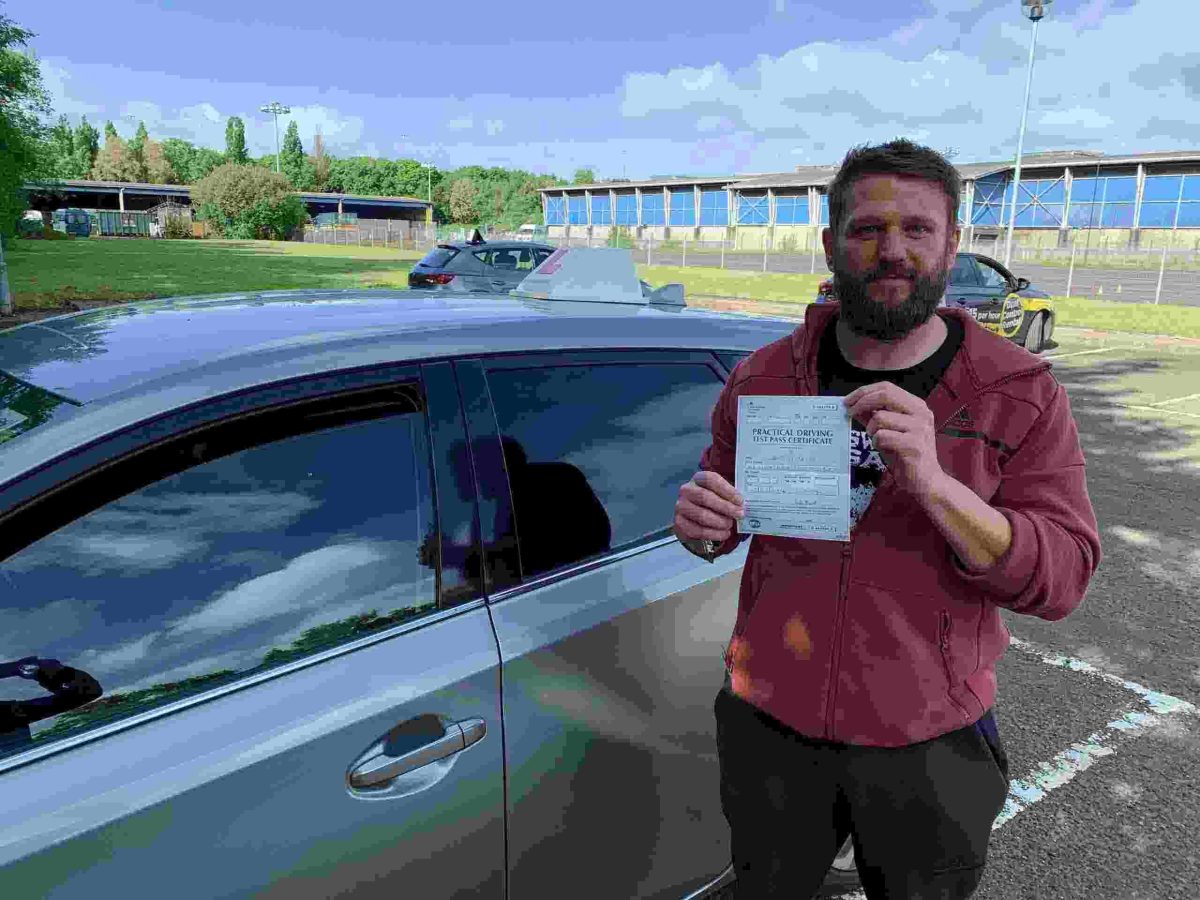
Doing small things like this builds a sense of control, even when the day is messy. And sometimes building that confidence spills into other things. Taking driving lessons slowly, learning step by step, feels frustrating, feels awkward, but eventually the skill sticks, and suddenly other parts of life seem easier too. Small wins like that, when repeated, give the brain a little relief from constant tension.
Time and Tasks
Time is slippery; it stretches and collapses, makes the day feel heavier than it is. Breaking tasks down, not trying to do everything at once, and noticing little wins. Even fifteen minutes spent on one thing matters. Its amazing how a few tiny chunks of focused work make the rest of the day feel lighter.
-
Rough plan for the day, not perfect, just something
-
High-priority things first, but don’t panic if other things slip
-
Tiny breaks, stand up, stretch, breathe
-
Check what can wait until tomorrow and let it, no guilt
Small wins add up. Days feel like progress, not a constant battle. Little habits like this help make time feel less like a prison and more like something that can actually be bent a little.
Talking and Paying Attention
Simple skill, huge impact. Saying what needs to be said, listening, repeating, checking if understood. Writing short notes, reminders, and asking people to clarify. It sounds obvious, but it’s often ignored, and ignoring it costs hours of stress. Even noticing little cues in conversations—someone hesitating, pausing, looking unsure—avoiding assumptions, all helps.
Doing a Bit of Prep
Little preparation before jumping in saves a lot of frustration. Checking things, thinking of what might go wrong, just a small mental run-through. Even small practice changes everything.
-
Check the route before leaving, don’t just get in the car
-
Essentials ready in pockets or bags, phone, keys, wallet, water
-
Look over plans, appointments, and notes the night before
-
Think through small what-ifs, like if something spills or gets delayed
Big or scary tasks get easier with a little rehearsal. A mock test driving course before the real thing shows where things fail, lets mistakes happen safely, makes the real experience less terrifying, less stressful, and more manageable. Just knowing a trial was done, even roughly, eases a ton of invisible pressure.
Tiny Adjustments That Somehow Make Life a Bit Easier!
Some of the most overlooked skills are nearly invisible. Posture, breathing, noticing how a room feels, how the air moves, even where sunlight falls. Little things, minutes here and there, slowly make the day smoother. Rooms feel lighter, days calmer, stress not gone but smaller, easier to carry. It’s not dramatic, not flashy, but it works in a quiet way.
Simple skills feel too small to matter until they are practiced, repeated, and embedded. Suddenly, the world feels less chaotic, manageable, and almost bearable. It’s messy, uneven, imperfect, but it works, somehow.




Leave a Reply