
Chasing Motion: The Art and Grit of Transportation Photography
There is something powerful about movement. A train cutting through morning fog. A classic car waiting at a red light. A cargo truck rolling down a long stretch of highway at sunset. Motion tells a story before you even press the shutter.
That is what makes transportation photography so addictive. It is not just about vehicles. It is about speed, design, engineering, and the human stories behind them. It is about capturing machines that move people, goods, and entire cities forward.
If you have ever tried to photograph something that does not sit still, you already know it pushes you differently. You have to think faster. Adjust quicker. Anticipate instead of react. And when you get it right, the result feels alive.
Let’s talk about what really goes into this craft and how to approach it in a way that feels natural and strong.
It Is About Story, Not Just Steel
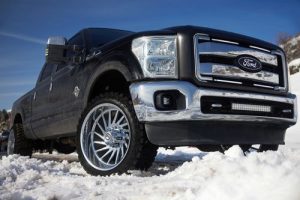
A lot of beginners focus only on the vehicle. They zoom in on chrome details, logos, wheels, or headlights. Those shots matter, sure. But the real magic happens when you zoom out and ask a better question.
Where is this vehicle going?
Who drives it?
What kind of life surrounds it?
A delivery van in a quiet neighborhood feels different than the same van in a busy downtown street. A motorcycle on an empty desert road carries a different mood than one parked outside a crowded café.
When you start thinking in terms of context, your images gain depth. You are not just showing transportation. You are showing purpose.
Light Changes Everything
Cars and trucks are basically mirrors on wheels. Metal surfaces reflect everything around them. That can work for you or against you.
Early morning and late afternoon light is your best friend. The softer tones shape curves beautifully and avoid harsh reflections. Midday sun can be unforgiving, especially on glossy paint, but it can also create bold shadows if you position yourself carefully.
Cloudy days are underrated. They act like a giant softbox, smoothing out highlights and giving you more control.
Pay attention to reflections. Watch what appears in windows and doors. Sometimes moving a few feet to the side completely transforms the image.
Movement Is a Skill You Practice
Shooting something in motion takes patience. Start simple. Stand still and let the subject move through your frame. Use a faster shutter speed at first to freeze the action cleanly.
Once you feel comfortable, experiment with panning. Follow the vehicle with your camera as it moves. Keep your subject sharp while the background blurs into streaks of motion. It feels tricky at first, but when it works, it adds energy you just cannot fake in editing.
Do not be discouraged if your early attempts look messy. Motion photography is about repetition. The more you practice, the better your timing becomes.
Location Matters More Than You Think
The background can either elevate your image or distract from it. Industrial zones, bridges, train yards, highways, ports, and urban streets all offer different moods.
Look for leading lines like roads, rail tracks, or lane markings. These naturally guide the viewer’s eye toward your subject. Overpasses and tunnels add depth. Open highways create a sense of freedom.
Even a simple parking garage can become dramatic with the right angle and light.
Before a shoot, scout your location. Walk around. Notice where the light hits. Watch how traffic flows. The more prepared you are, the smoother everything feels when the vehicle arrives.
Details Still Matter
Wide shots show scale and environment, but close ups create intimacy. Capture the texture of tires. The stitching on a steering wheel. The dashboard glowing at dusk. The pattern of a grille.
These small details break up a series and give variety to your story.
If you are working with clients in automotive or transport industries, they appreciate images that highlight craftsmanship. It shows that you notice what others overlook.
Safety Comes First
This part is not glamorous, but it is real. When you are photographing moving vehicles, stay aware. Do not stand in unsafe positions for the sake of a dramatic angle. No shot is worth injury.
If you are working near roads, communicate clearly with drivers. Agree on speeds, signals, and stopping points. Planning reduces stress and helps everyone stay focused.
Professionalism is not just about great images. It is about responsibility.
Editing With Intention
When you bring your photos into editing, resist the urge to overdo it. Strong contrast can emphasize shape, but too much can crush detail. Oversaturated colors can distract from design.
Think about the mood you want. Clean and commercial? Dark and cinematic? Warm and nostalgic?
Keep consistency across a series. A cohesive set feels stronger than random edits stitched together.
Subtle color grading and balanced exposure often win over heavy filters. Let the lines and motion speak.
Building Your Eye Over Time
If you want to improve, study motion outside of photography. Watch how cars move in films. Notice how advertisements frame vehicles against landscapes. Observe how city streets flow during rush hour.
Then practice. Go to a local train station. Photograph buses in your town. Capture cyclists during golden hour. The more you shoot, the more confident you become.
You will start predicting movement. You will sense when a truck is about to turn or when a train is about to emerge from behind a bend. That instinct only comes with time.
Why This Niche Feels So Powerful
Transportation connects everything. It links cities, businesses, families, and industries. Photographing it means you are documenting the systems that keep life moving.
There is beauty in machinery. There is drama in speed. There is emotion even in something as simple as a long stretch of road disappearing into the horizon.
And here is the part most people overlook. Vehicles are often tied to memory. A first car. A cross country road trip. A daily commute that shaped someone’s routine for years. When you photograph transportation well, you tap into those quiet stories.
Closing Thoughts
You do not need the most expensive gear to start. You need curiosity. You need patience. You need a willingness to try, fail, and try again.
Focus on light. Focus on safety. Focus on storytelling over perfection.
Over time, you will notice something shift. You will stop chasing flashy shots and start creating meaningful ones. You will see motion not as chaos, but as rhythm.
And once you learn to see that rhythm, every road, rail, and runway becomes an opportunity.
Leave a Reply