
The Overlooked Factors That Affect Your Pool Area’s Longevity
Having a pool in the backyard is nothing more than a luxury. But the fun fact is, when it comes to maintenance, we often ignore the signs. You probably think your pool area is holding up just fine. The tiles look okay, the water is clear, and nothing seems urgent. You barely notice something is slowly wearing down in the background.
Pool spaces don’t suddenly fall apart; they age in small, almost invisible ways. And in most cases, it is not the obvious stuff causing it. It is what we rarely notice.
But the good news is you can prevent the damage once you are aware of the overlooked factors.
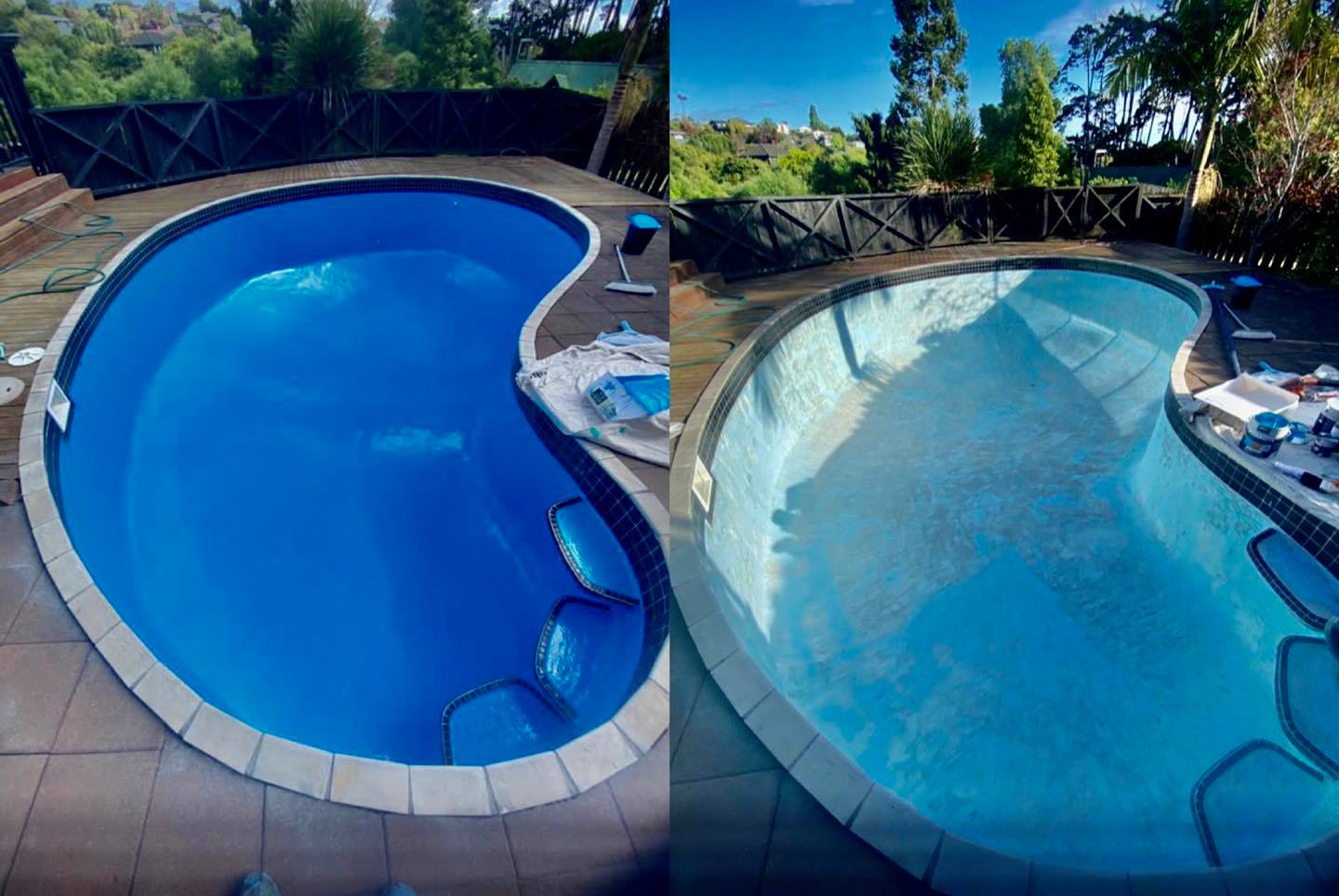
Exploring The Unnoticed Factors that Damage Your Pool Surfaces
- Water Chemistry Drift
Not the obvious imbalance, but the subtle, ongoing drift. Although the water appears neat and clean, subtle changes go unnoticed. Slightly off pH or mineral levels can affect surrounding surfaces without letting you know. You walk around your pool area and find everything is fine, so you don’t take any action.
Over time, this leads to staining, etching, or dullness in finishes. Regular testing isn’t enough; you need consistency. Keeping your water chemistry stable reduces long-term stress on both the pool and its surroundings.
- The Wrong Cleaning Habits
You clean your swimming pool area at least once a week. Harsh scrubbing and strong chemicals often are a part of pool area cleaning. But they silently damage the surfaces. If you continue with this maintenance routine, you will damage the surfaces very soon.
The good news is you can still prevent further damage just by switching to gentler and safer pool cleaning methods. Spacing out deep cleans makes a significant difference. And yes, sometimes calling in professionals for proper painting services ensures surfaces are not left exposed after repeated cleaning.
- Microclimate Around Your Pool
You step outside, and it feels like a normal day, but your pool area lives in its own little climate. Constant moisture, reflected heat, and trapped humidity quietly build up. But you hardly notice this problem. Most people do the same.
Over time, this creates the perfect environment for surface fatigue and material breakdown. The fix is simple but often skipped. What you can do is improve airflow where you can, trim back plants that block wind, and consider coatings that are made to handle these conditions.
- Foot Traffic Patterns
You don’t notice it at first, but you always walk the same path. Everyone does. That repeated movement creates uneven wear on certain areas, fading, cracking, or surface thinning.
Rotating furniture, adding mats in high-traffic spots, or even slightly changing walking paths can spread out the impact. Small adjustments, but they extend the life of your surfaces more than you’d expect.
- Sun Reflection, Not Just Sunlight
You think about direct sunlight, sure. But what about reflection off the water? That double exposure intensifies UV damage on nearby surfaces. Over time, it leads to faded colour and weakened coatings.
Is there any solution that can protect your pool surfaces from both sunlight and reflection? The answer is yes. Using UV-resistant finishes or scheduling periodic swimming pool painting services helps maintain both protection and appearance.
When you look at your pool area now, it probably still feels solid. And it is for the moment. But longevity is not about reacting when things break; it is about noticing the quiet changes before they turn into visible damage. These overlooked factors are not dramatic, but they are persistent. And once you start paying attention to them, maintaining your pool area becomes less about fixing problems and more about staying ahead of them.


Leave a Reply