
Sustainable Commercial Matting: Eco Friendly Solutions for South African Businesses
More South African businesses are starting to think beyond daily operations and looking at how small choices can support a cleaner future. It does not always take a major change to make a positive impact. Sometimes it starts right at the front door with commercial matting that helps create cleaner spaces while encouraging smarter use of resources. Choosing products that last longer and perform well is one practical step that benefits both the workplace and the environment.

Sustainability begins with everyday decisions
When people hear the word sustainability, they often imagine solar panels or large recycling projects. Those things certainly matter, but everyday decisions inside a business can be just as meaningful.
Office supplies, cleaning routines, lighting, and flooring all play a part in reducing unnecessary waste. Products that remain useful for years instead of needing constant replacement naturally create less waste over time. That makes them a sensible choice for businesses that want to be more mindful of their environmental impact without making complicated changes.
Small improvements repeated every day often lead to bigger results than one large project completed once.
Durable products reduce unnecessary waste
One of the simplest ways to support sustainability is by choosing products that are built to last. Replacing worn out items every few months uses more materials, creates additional waste, and increases long term costs.
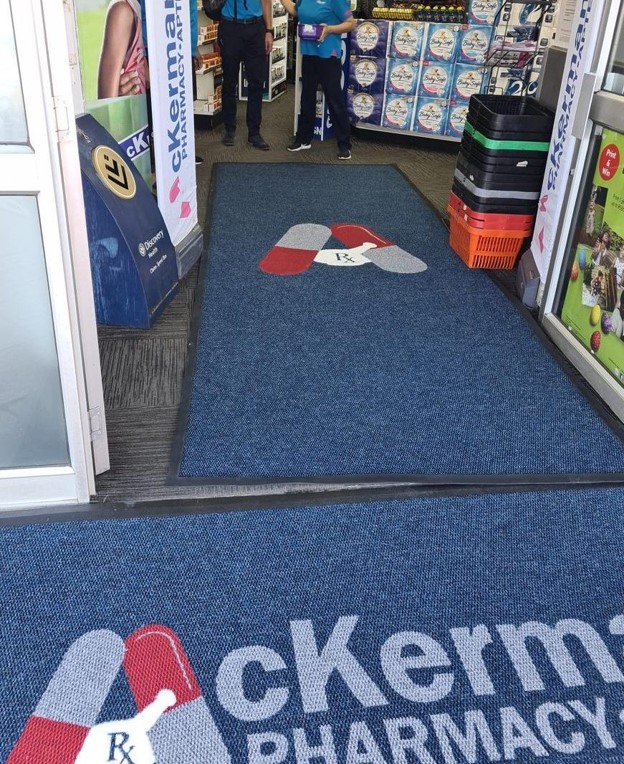
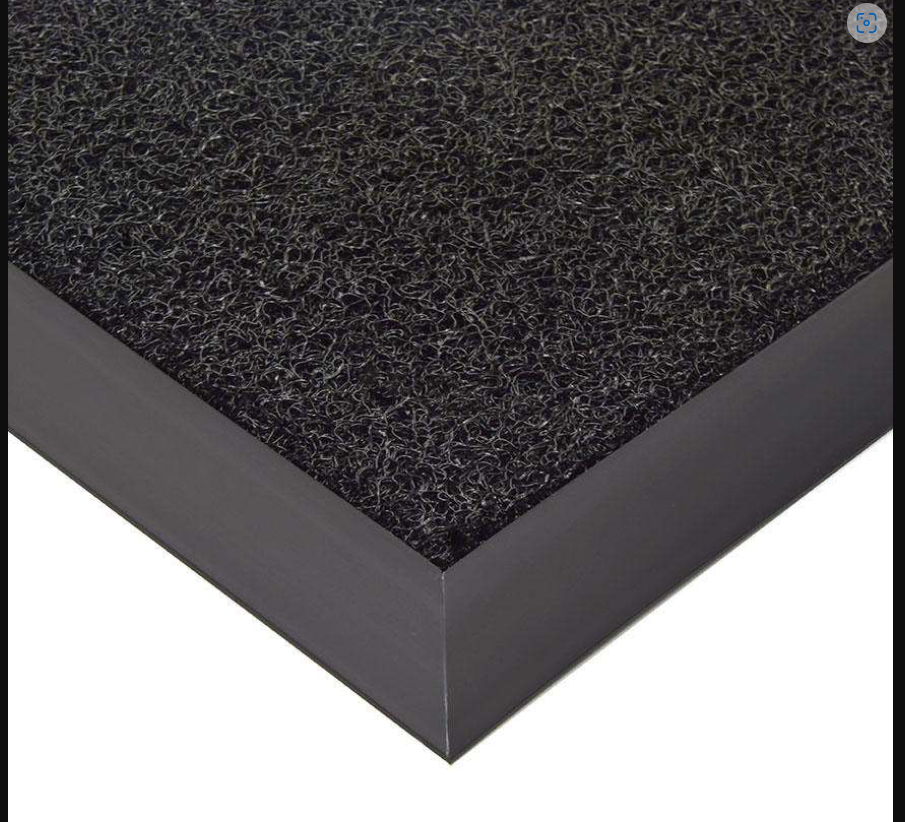
Entrance mats that hold up well under heavy foot traffic continue doing their job for much longer, even in busy workplaces such as offices, shopping centres, schools, warehouses, hotels, and healthcare facilities.
A product that stays effective for years naturally reduces the number of replacements needed, making it a more responsible choice for both businesses and the environment.
Cleaner buildings use fewer resources
A good entrance does more than welcome visitors. It also helps control the amount of dirt, dust, and moisture that enters the building.
When less dirt reaches hallways, offices, and work areas, cleaning teams spend less time removing it. Floors may require fewer intensive cleaning treatments, while cleaning products and water can often be used more efficiently.
This is where high-quality matting solutions quietly support sustainable workplaces by helping businesses maintain cleaner indoor spaces with less ongoing effort.
Looking after indoor spaces for longer
Heavy foot traffic places constant pressure on flooring. Mud, grit, and small stones carried inside can gradually wear down carpets, tiles, vinyl, and other surfaces.
Protecting these floors means businesses may not need repairs or replacements as often. Extending the life of existing flooring reduces waste while also limiting the materials required for future renovations.
Sometimes protecting what is already there is one of the most practical forms of sustainability.
Sustainability also supports workplace wellbeing
People usually feel more comfortable in clean and organised surroundings. A tidy entrance creates a welcoming atmosphere while helping employees and visitors move through the building with confidence.
Reducing moisture on floors can also lower the chance of slips during wet weather, making the workplace safer as well as cleaner. Although sustainability often focuses on environmental benefits, creating healthier and more pleasant spaces for people is equally valuable.
Good environmental choices often improve the everyday experience without drawing much attention to themselves.
Every business can make a difference
One of the biggest myths about sustainability is that only large organisations can make a real impact. In reality, businesses of every size have opportunities to improve the way they operate.
Whether it is a neighbourhood shop, a busy warehouse, a school, or a professional office, small practical decisions add up over time. Choosing durable products, reducing waste, protecting existing flooring, and maintaining cleaner spaces all contribute to more responsible business practices.
The important thing is not making every change at once. It is simply taking steady steps in the right direction.
Final thoughts
Building a more sustainable workplace does not have to feel difficult or expensive. Many of the best improvements come from paying attention to everyday details that support cleaner, safer, and longer lasting environments. When businesses choose practical solutions that reduce waste and protect the spaces people use every day, they create positive habits that benefit both their operations and the wider community. Sustainable thinking often begins with one small decision, and those small decisions have a way of creating lasting change.
Leave a Reply