
Everyday Practices That Improve Dairy Herd Health and Longevity
There is something quietly magical about a healthy dairy herd. Walking through the paddocks early in the morning, seeing cows stretch, blink slowly, tails swishing, chewing cud like nothing else matters, it hits differently. It is not just luck or chance, it is the little things done every day, the small messy things, cleaning, feeding, watching, noticing, over and over, sometimes unnoticed, but they build up, and suddenly cows are calmer, healthier, longer living.
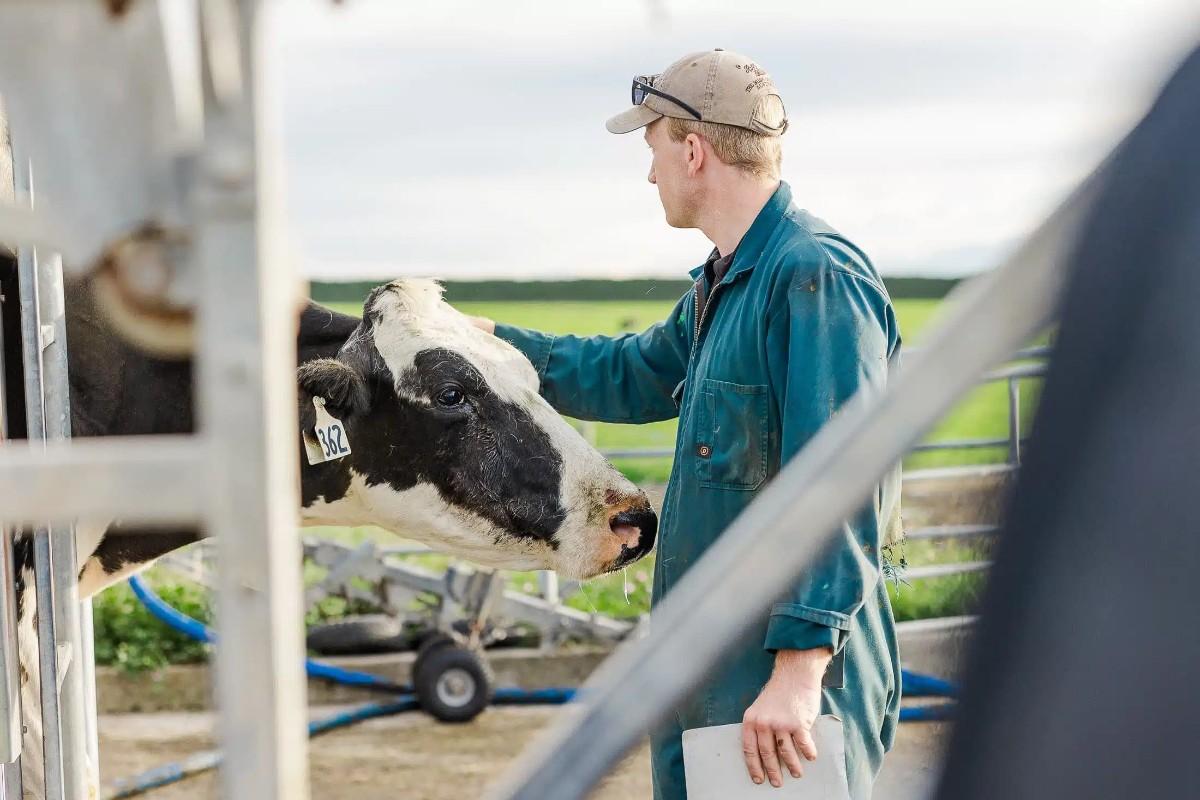
Simple Daily Habits That Keep Dairy Herds Healthy and Strong
Start With Comfortable Housing
Cows lie down a lot, and if pens are hard, wet, or poorly aired, it shows. Joints stiffen, backs get sore, moods get bad. Soft bedding, clean pens, air moving freely, it all matters. One day of neglect is small, a week is worse, a month, and suddenly production drops, health dips.
- Check bedding for wet patches, manure, rocks, anything that can hurt
- Make sure water is clean, deep enough, and not too far from the feed
- Feeding areas need to be tidy, no mud, no old feed, nothing that slows them down
Gentle Handling Matters
Animals notice how humans move. Rush, shout, rough touch, they tense up, panic, stress hormones spike, it shows everywhere. Calm, slow, quiet, patience, it matters. Tools like wopa cattle crush let handling happen safely, cows don’t panic, humans don’t get hurt, and small injections or checks go smoother. Not about convenience, really, more about peace, for them and for anyone working around them.
Nutritious Food Is Not Optional
Herd health depends on what they eat. Not just quantity but quality. Proper feed fuels digestion, milk, reproduction, and hooves. Sudden changes upset the system, cause bloating, digestive trouble, and all that. Watching each cow, noticing body condition, adjusting feed slowly, it matters.
- Keep track of intake if possible, and watch individual cows
- Change feed gradually, small steps, don’t shock the system
- Check body condition, adjust protein, fibre, energy as needed
Routine Health Checks Save Lives
Preventive care is everything. Mastitis signs, limping, coughing, off-feed, small things, they tell a lot. Record keeping doesn’t have to be fancy: a simple notebook, a digital log, whatever works. Early separation, treatment, stops herd stress, and sickness spreads less.
- Check udders, hooves, and skin every day
- Notice behaviour changes, discomfort, unusual movements
- Separate sick cows fast, treat properly, don’t wait
Hoof Care Cannot Be Ignored
Hooves are the foundation. Painful feet make cows reluctant to move, graze, or lie down. Regular inspection, trimming, and good flooring prevent chronic problems. Calling in dairy hoof trimming experts makes sure each foot is treated, and cracks, overgrowth, and infections are caught early. Happy feet, healthier herd, better milk, longer life.
Clean Water and Sanitation
Water is life. Dirty troughs, stagnant puddles, and contaminated pipes all invite bacteria, parasites, and sickness. Clean daily, sanitise, check flow, watch for blocked pipes. Herds that drink clean water eat better, digest better, and stay healthier.
Observe and Listen
Sometimes best care is just being there. Watching, listening, noticing small things. Off-feed, tail flicking more than usual, standing oddly, huddling, small clues, they talk constantly if someone pays attention. Miss it, small problems grow, quick fixes avoided, losses mount.
Put Daily Practices into Action and Keep the Herd Thriving for a Long Time!
Every day care is messy, tiring, and far from glamorous. Muddy boots, early mornings, late nights, noticing constantly. But every small act pays off. Using a cattle crush early, calling dairy hoof trimming experts when needed, gives herds a better chance to thrive, stay longer, and makes farm life a bit easier, more rewarding, day after day.



Leave a Reply