
How West Ryde Homeowners Can Finally Get Ahead With Solar Batteries and Rebates
Everyone talks about slapping solar panels up on the roof like it solves everything. But if you live in a place like West Ryde and you actually pay attention to your energy bill, you know the real game changer isn’t just generating energy, it’s storing it. When the sun goes down you still need power, right? That’s where a solar battery makes more sense than just another appliance collecting dust in a corner. What if I told you there’s also help from the government to make that switch easier? Yep, that’s exactly what a smart homeowner should be chatting about over coffee these days.
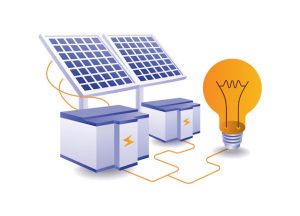
If you have been curious about taking control of your energy usage and cutting down on peak-time bills, learning how rebates work and how batteries fit in should be your starting point. And trust me, once you wrap your head around what’s available, the idea of energy independence starts feeling a whole lot less intimidating and a bit more like a practical, doable step towards future savings.
Why Solar Batteries Matter More Than Ever
Solar panels are getting cheaper, more efficient, and more common every year. That is great. But here’s the reality most people overlook — without storage, your panels are most useful when you don’t necessarily need the power. During the day when you are at work or out and about, your solar system is generating energy that often just gets sent back to the grid for a fraction of its value. Meanwhile, you come home in the evening, turn on lights, cook dinner, binge watch your favorite shows, and pull energy from the grid at higher rates.
A battery changes that whole story. Suddenly what you produced and didn’t use in daylight hours gets saved up for later. That means you are effectively using your own power when the grid is most expensive and most strained. It feels good to picture that, doesn’t it? Like finally putting your own energy bank to work for you.
At the same time, if you have ever gone through a power outage or unexpected blackout, you know that traditional energy systems leave you powerless in more ways than one. A battery adds a cushion of reliability — and for many people in West Ryde, peace of mind is worth more than its weight in gold.
Making Sense of Rebates and Support
Here is where the conversation gets practical, and honestly more exciting. There’s a Battery government rebate west ryde residents can tap into to help offset the upfront cost of installing a storage system. That might sound like bureaucratic jargon, but in real terms it means financial help that can make a noticeable dent in the total cost you are staring at on a quote sheet.
Government rebates are designed to encourage adoption of renewable technologies by lowering the barrier to entry. Think of it as a welcome assist rather than a handout — it is energy planning for the public good. That means if you are serious about solar storage, it pays to understand what is on offer and how it applies to your household.
For most homeowners, rebates are triggered once you meet certain criteria — typically tied to the size of your system, your location, and whether your installation meets specific technical standards. It is not a random perk; it is structured support meant to reward smarter energy investments. And while the details vary, the bottom line is this: you could end up paying noticeably less than you originally imagined for a robust battery system.
What to Think About Before You Jump In
Before you leap at the first rebate you hear about, take a deep breath and think in practical terms. Your energy needs matter, and so does choosing the right system for your roof, your daily habits, and your future plans. No two homes use energy in the same way, and battery sizing should reflect that. You want something that integrates seamlessly with your existing solar panels, works quietly in the background, and avoids becoming another gadget you have to constantly check or reset.
A good start is to look at your historical power usage. When do you use the most energy? How often are you consuming power during peak times? Do you run loads of appliances in the evening? These are questions that can inform the battery size that makes the most sense. And if you plan on expanding your energy needs — maybe an electric vehicle or more air conditioning — factor that in too.
Also, don’t forget warranties and performance expectations. A battery isn’t like an appliance you replace every couple of years. You are investing in something meant to last, so quality matters. A system that promises efficiency and long life will save you headaches down the track.
Get Clear on the Bigger Picture
It can be tempting to get stalled on price or rebate percentages, but zoom out for a second — what is your long term goal? More and more homeowners are thinking beyond short-term savings and are instead focused on resilience, independence, and long-term value. That shift in mindset is where the real payoff is — and it goes beyond dollars on a bill.
When your home can produce and store its own energy, you are not just saving money. You are reducing your dependency on a grid system that is increasingly unpredictable and often expensive during peak periods. That alone can be a huge psychological boost for a lot of people. There is comfort in knowing you are prepared for times when the grid falters or rates spike.
So as you think about rebates, think also about what peace of mind looks like to you. It might just be worth every extra penny you invest today.
Bringing It All Together
Energy storage isn’t just a technical upgrade. It is a shift in how you think about your home and its power usage. Yes, rebates like the Battery government rebate west ryde exist to make the switch more affordable, but the real value lies in how much more control you gain over your day-to-day life with energy stored and ready whenever you need it.
If you approach the process thoughtfully — weighing your needs, understanding the available support, and choosing a system that suits your lifestyle — you could be setting yourself up for years of smarter, cleaner, more reliable power. And really, who wouldn’t want that?

Leave a Reply