
Weatherboard Sanding and Repainting: Give Your Home a Fresh Start
Weatherboard homes have a charm that never really goes out of style. They can look warm, welcoming, and full of character, but keeping them looking that way takes more than simply adding a new coat of paint. Over time, weatherboards face strong sunlight, rain, wind, dirt, moisture, and everyday wear. Paint can start to peel, crack, bubble, or fade, leaving the timber underneath exposed. When that happens, sanding and repainting can make a huge difference. The key is not to rush straight into painting. Good preparation creates the foundation for a smoother finish and helps the new coating last longer.
Why Weatherboard Preparation Matters
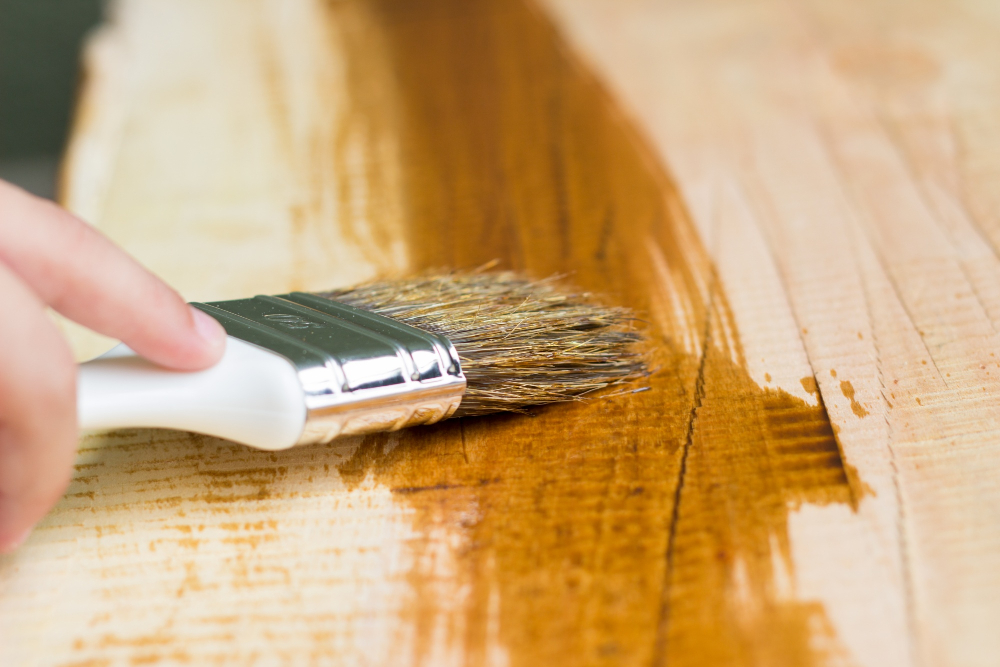
One of the biggest mistakes homeowners can make is treating repainting as a quick weekend job. If the existing surface is dirty, loose, cracked, or uneven, new paint will not magically hide those problems. In fact, they may become more noticeable once the fresh coating goes on. Proper preparation removes weak layers and creates a cleaner surface for the new paint to bond with. This is particularly important for older weatherboard homes, where timber may have experienced years of exposure. Taking time at this stage can improve both the appearance and durability of the finished exterior.
Start With a Thorough Clean
Before sanding begins, the weatherboards should be properly cleaned. Exterior surfaces can collect dust, mould, dirt, cobwebs, and other contaminants over the years. Samson Painting uses pressure washing as part of its weatherboard preparation process to remove these unwanted materials before further work begins. Cleaning also makes it easier to see the actual condition of the surface. Once the boards are clean, areas with peeling or damaged paint become much easier to identify. This gives the painter a clearer idea of how much preparation is needed rather than simply covering everything with another layer.
Sanding Removes More Than Just Old Paint
Sanding is one of the most important parts of preparing weatherboards for repainting. Loose, blistering, bubbling, or flaking paint needs to be removed so the new coating has a stable surface to adhere to. Depending on the condition of the boards, sanding may be combined with scraping or other methods to deal with stubborn areas. For larger exterior projects, professional equipment can make the preparation more consistent and efficient. Samson Painting uses orbital sanding machines to power sand weatherboard surfaces after cleaning and removing damaged paint. This detailed approach helps create a more even surface before priming and painting.
Check the Timber Before Repainting
Sanding can reveal problems that are easy to miss when old paint is still covering the boards. Soft, rotten, cracked, or damaged timber may need attention before painting can continue. There is little benefit in applying a beautiful new coating over timber that has already deteriorated. Replacing damaged sections where necessary helps create a stronger base for the finished work. It is also a good opportunity to look closely at gaps, cracks, joints, and other imperfections. Dealing with these issues during preparation can make the final exterior look far more consistent and properly maintained.
Do Not Skip Filling and Priming
Once the major surface problems have been addressed, smaller imperfections still need attention. Gaps, cracks, holes, and uneven areas can affect how the finished weatherboards look, especially when viewed in strong daylight. Filling these imperfections helps create a cleaner overall appearance. After filling and sanding, bare timber and suitable repaired areas should be primed before the final paint is applied. Samson Painting follows a preparation process that includes filling gaps, cracks, and imperfections before priming bare timber and fillers. Skipping these steps may save time initially, but it can compromise the quality of the finished result.
Choosing the Right Repainting Approach
Every weatherboard home is different, so there is no single preparation routine that works the same way for every property. A newer home with minor fading may require a different approach from an older exterior with several layers of peeling paint or areas of timber deterioration. This is why homeowners considering weatherboard sanding and repainting in Kew East should first consider the existing condition of the exterior rather than focusing only on the colour they want. A proper assessment can help determine whether the project needs simple preparation, extensive sanding, timber repairs, filling, priming, or a combination of several steps.
Think About Melbourne Weather
Exterior paint has to deal with much more than everyday wear. Melbourne weather can change quickly, exposing weatherboards to sunlight, rain, wind, temperature changes, and moisture. A good repaint therefore needs to be approached with protection and longevity in mind. Using suitable premium exterior paint and applying it over a properly prepared surface can help the finish perform better over time. Samson Painting uses premium paint products that have been trialled and tested, while its exterior preparation process is designed to create a strong foundation before painting begins.
A Fresh Exterior Can Change the Whole Home
There is something satisfying about seeing tired weatherboards come back to life. Once peeling paint, dirt, uneven patches, and damaged areas have been dealt with, a fresh colour can completely change the character of a property. But the real difference often comes from the preparation that happens before the final coats. Good sanding, careful repairs, proper filling, and suitable priming may not be the most visible parts of the project, but they play a major role in the finished appearance. If your weatherboard exterior is starting to look tired, it may be worth looking beyond the paint colour and considering what the surface actually needs first.
Final Thoughts
Repainting weatherboards is not simply about making an old exterior look new again. It is an opportunity to inspect the timber, remove failing coatings, repair damaged areas, and create a better surface for the next finish. Taking the preparation seriously can make the painting process more worthwhile and help your home maintain a fresh appearance for longer. Whether the property is traditional, modern, or somewhere in between, a careful approach to exterior preparation can bring out the best in weatherboard architecture while giving the home the clean, refreshed look it deserves.



Leave a Reply